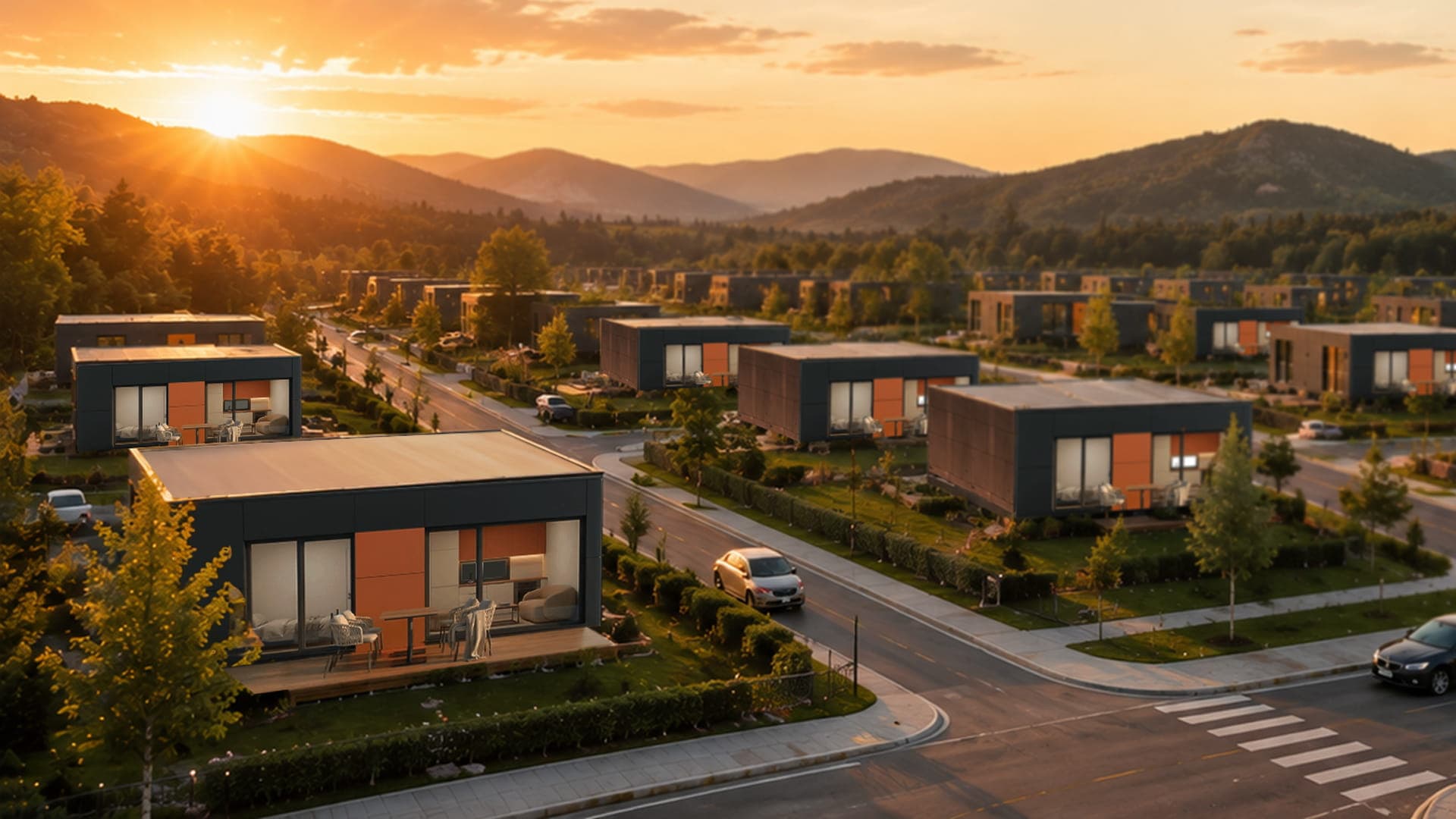

A house is more than just four walls and a roof; it is a place of comfort, security, and a gathering spot for friends. It is also a haven for your family. Imagine living in a home that is so well-insulated and energy-efficient, it produces as much renewable energy as it consumes. After a year, you would have a net-zero energy bill and a carbon-free home. Yes, these homes exist. They are called zero-energy homes, and they are our Flying Homes.
These homes are built to a high standard. They absorb clean air and maintain a balanced indoor temperature. As a result, they provide a quiet and restful sleep. What more can you ask for in a low-maintenance, healthy living environment? And there is more. The construction is airtight and grid-tight, which keeps the air fresh. It also filters air through its ventilation system. In addition to zero energy bills, this home accumulates far less dust, making cleaning much easier.
Zero-energy homes suit any lifestyle: lone occupiers, couples, or families-young, middle-aged, or older. It does not matter whether you live in a warm, humid climate or a colder region. Plus, they can look like any home you desire-old-style, modern, or futuristic. Each can have its own unique style. These homes are built with significant energy-saving features like insulation, high-efficiency windows, passive solar gain in winter, and passive shading in summer. Many more features can be added depending on the climate or your preferences. These homes are also unaffected by electricity price surges.
This price will be zero or close to zero.
Moreover, compared to traditional homes, zero-energy homes are safer and stronger. They have thicker walls, fresh filtered air, and advanced window technologies. These homes prevent indoor air and moisture pollutants with robust, balanced ventilation systems like Heat Recovery Ventilation (HRV) and Energy Recovery Ventilation (ERV). These systems exhaust the bad air, filter the incoming fresh air, and disperse clean air throughout the home. They also dilute any indoor pollutants. HRV and ERV systems maintain balanced home temperatures. In most cases, they also keep indoor humidity levels between 40% and 60%, as recommended for health. The quality of the air we breathe is critical to our health, well-being, and effective functioning.
While global warming, increased use of synthetic chemicals, and population growth exacerbate pollution, it is crucial to create a future where we can breathe fresh air with minimal pollutants. Zero-energy homes and buildings are part of the solution. As you can see, reduced energy bills, greater comfort, and fewer carbon emissions are just a few of the benefits of zero-energy homes.
Did you know that your home can contribute to a healthier life, free from pollution-related conditions? These homes are constructed with non-toxic finishes, materials, and surfaces. They also include advanced fresh air systems and passive solar design principles. These future-living solutions maximize natural daylight, filling your home with warm, inviting sunshine. What more could you desire than comfort and the potential for a healthy life at nearly zero energy costs? Furthermore, you can proudly share your contribution to reducing climate change with friends and family-the greatest global challenge of the century.
Zero Energy Homes represent the future of living. The alternatives are far more costly and labor-intensive. Building a home to code means its energy performance, health, and comfort will become outdated the moment it is finished. Even if you add solar panels, electric vehicle chargers, and storage batteries, these features create new revenue streams.
Builders can take pride in providing high-quality air, interior health, and comfort when constructing zero-energy homes. This enhances their brand as high-quality, high-performance builders. Builder risks are lower due to higher customer satisfaction, greater durability, and fewer service calls. Builders can use their reputation to attract more clients and grow their businesses.
As the market shifts towards zero-energy homes, builders who embrace this trend will lead the field.
Zero buildings are a win all around.