There was a time when sustainability was viewed as a corporate responsibility initiative, something that sat alongside the business rather than at its core. Companies measured success through revenue growth, profitability, and market share, while environmental considerations were often treated as secondary priorities.
That distinction is rapidly disappearing!
Across industries and markets, sustainability is emerging as one of the most powerful drivers of long-term financial performance. What was once perceived as a cost is increasingly recognized as an investment. What was once considered compliance is becoming competitive advantage.
The reason is simple. Every inefficient process, every wasted resource, every supply chain disruption, and every unmanaged environmental risk carries a financial consequence. Sustainability, at its essence, is about creating more value with fewer resources while building organizations that are resilient enough to thrive in an uncertain future.
The most forward-thinking companies are no longer asking whether sustainability generates returns. They are asking how quickly they can integrate sustainability into their strategy before competitors do.
This shift is transforming how value is created. Energy efficiency lowers operating costs. Circular business models turn waste into assets. Renewable energy creates long-term predictability. Sustainable supply chains strengthen resilience. The result is not only environmental progress but also stronger financial performance.
Investors have already recognized this reality. Increasingly, they evaluate organizations not only on financial statements but also on their ability to manage climate risks, resource constraints, governance standards, and long-term resilience. In a world defined by volatility, sustainability has become a proxy for preparedness.
What separates leaders from followers is not the number of sustainability projects they launch. It is how deeply sustainability is embedded into their institutional design. The most successful organizations integrate it into investment decisions, innovation processes, operational models, and growth strategies.
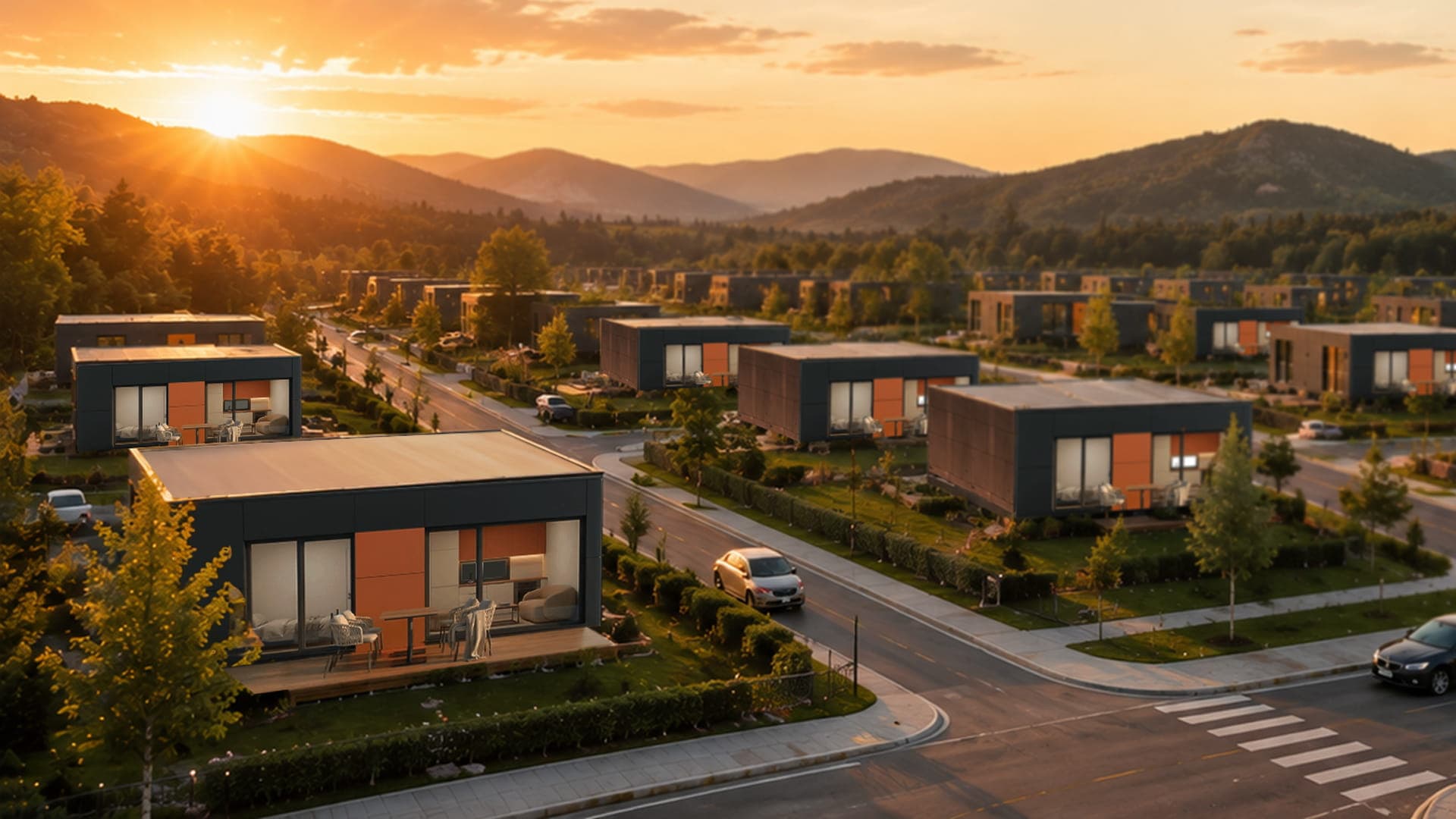
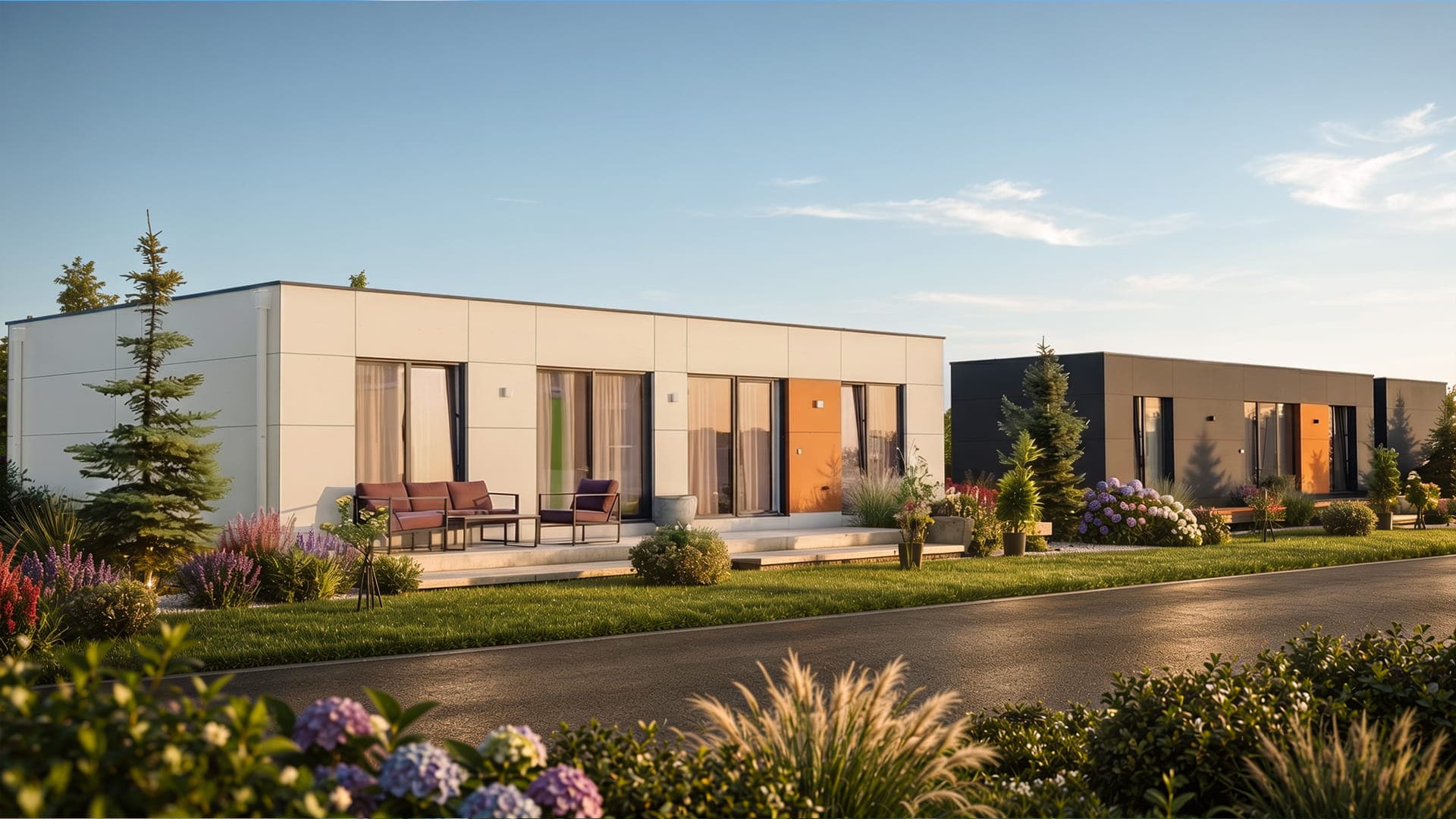
This philosophy is increasingly visible across our ecosystem being shaped by Pllana Capital, where sustainability is not viewed as a standalone objective but as a value-creation mechanism. Through InstaBuilt's industrialized construction technologies and the development of Cherry Communities, environmental performance and financial performance are approached as complementary outcomes rather than competing priorities.
The future of real estate, construction, and community development will not be defined solely by how much we build. It will be defined by how intelligently we build. Faster construction, reduced waste, lower energy consumption, healthier living environments, and more efficient use of capital are no longer separate ambitions. Together, they form the foundation of a more resilient economic model.
Perhaps the most overlooked aspect of sustainability is its ability to stimulate innovation. Every challenge related to energy, materials, emissions, or resource efficiency creates an opportunity for new technologies, new business models, and new markets. The next generation of economic growth is being built at the intersection of sustainability and innovation.
History rewards those who recognize structural shifts before they become obvious. The industrial age rewarded mechanization. The digital age rewarded connectivity. The emerging era will reward organizations capable of aligning profitability with sustainability.
Green is no longer a branding exercise.
Green is operational excellence.
Green is innovation.
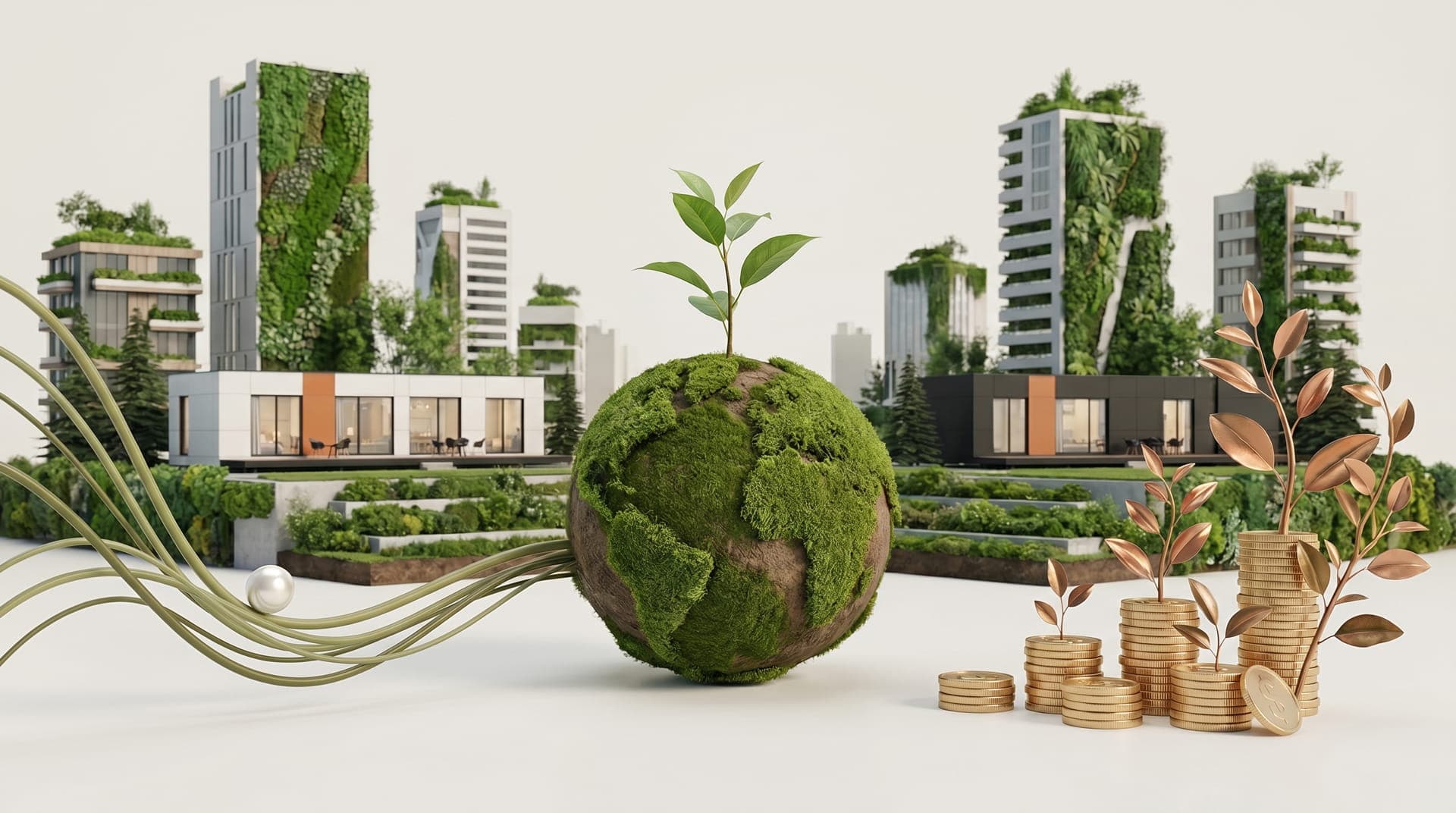
Green is resilience.
Most importantly, green is a financial strategy. The organizations that understand this today will not simply adapt to the future. They will help build it.